Renew heating, cooling and hot-water equipment with a design and commissioning brief that fits the home now.
Start with the existing condition
The old model is useful evidence, but it is not the complete specification for the new system. Describe comfort complaints, served rooms, hot-water demand and any changes to insulation or windows. Ask a qualified professional how current loads, equipment pairing, distribution and controls will be reviewed. A capacity copied from an old label can miss the actual requirements.
Make the important interfaces clear
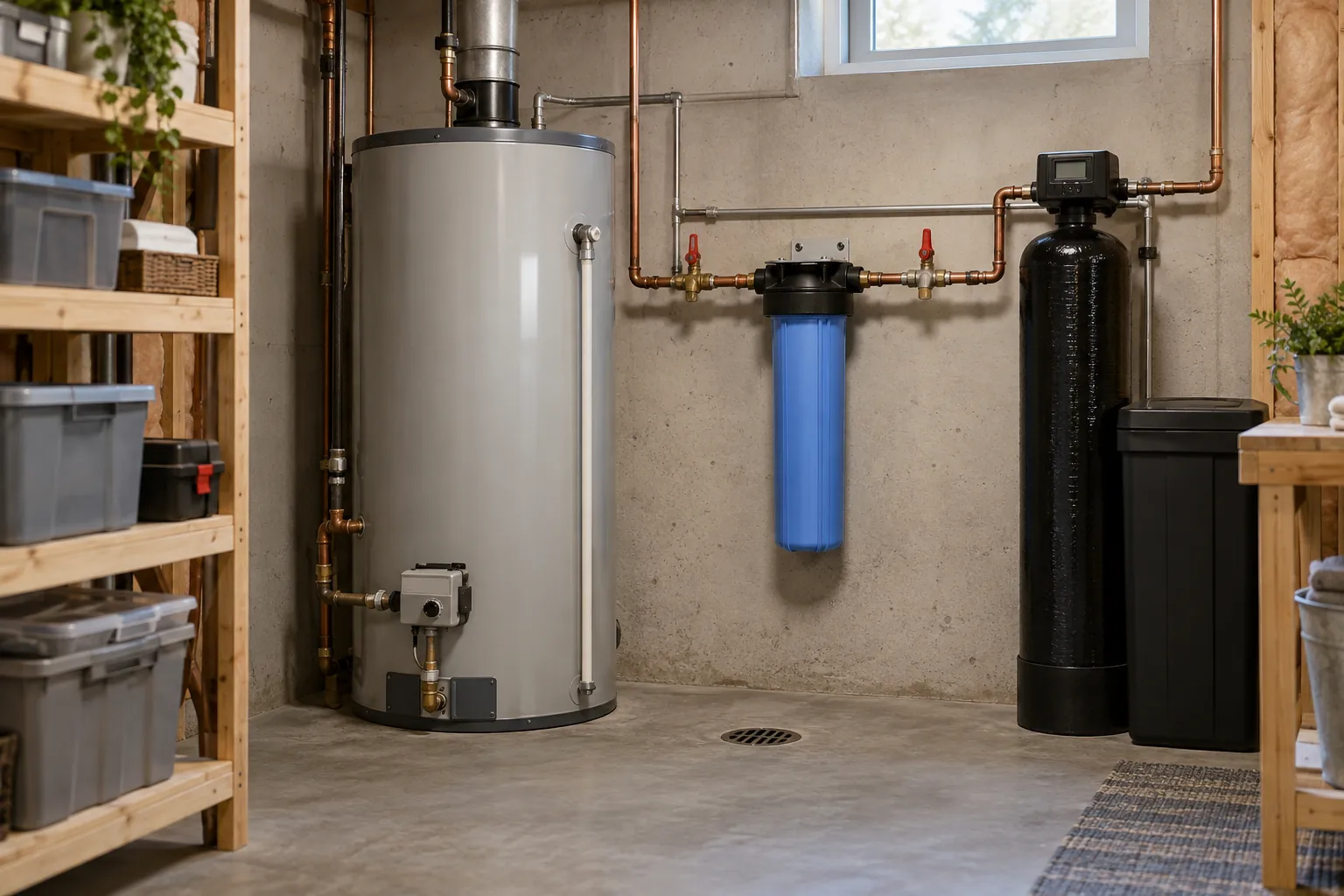
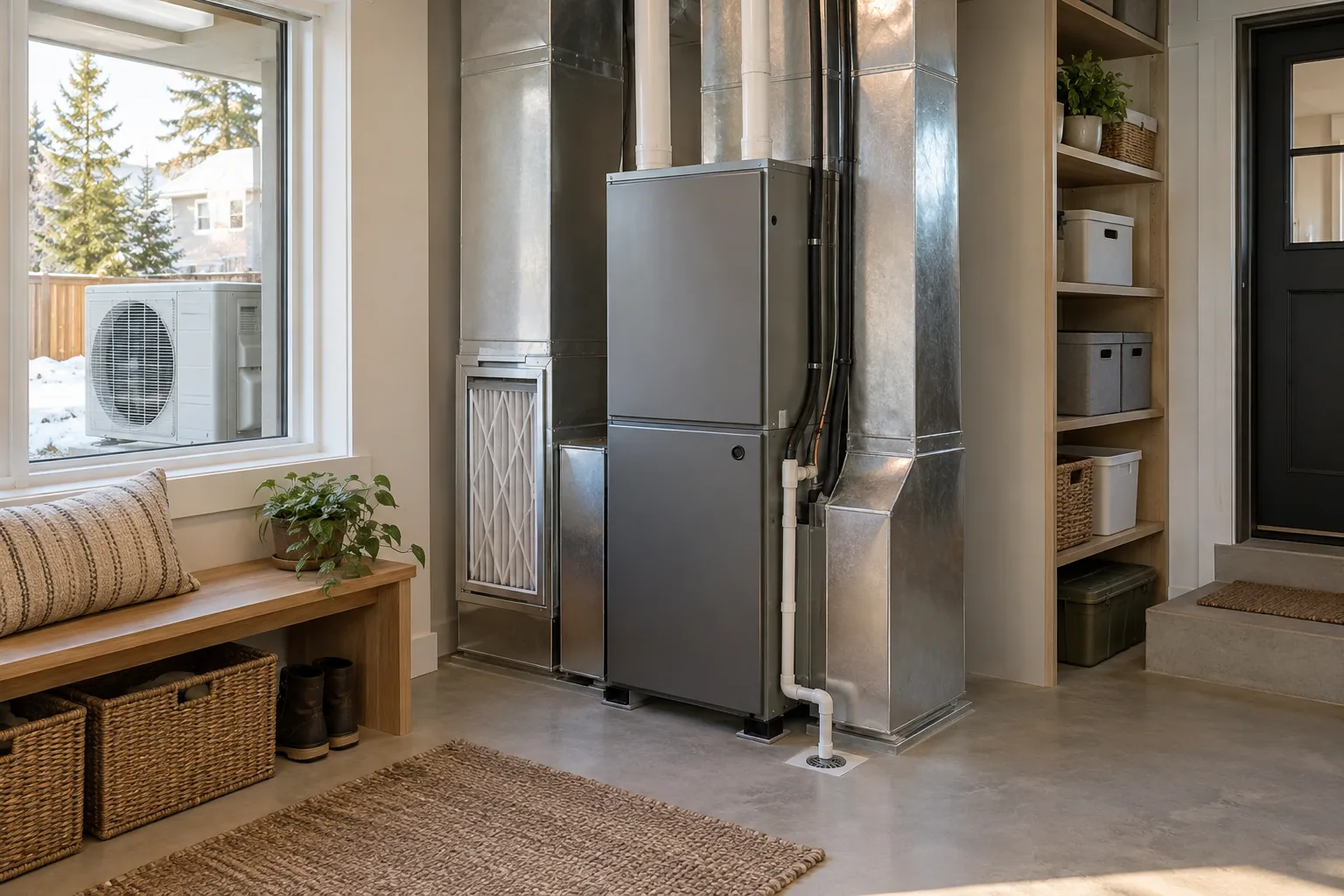
Compare connected work as carefully as the appliance. Venting, combustion air, electrical supply, condensate drainage, hydronic connections and service access can change between models. A heat pump also has a backup-heat and cold-weather role; a ventilator may require measured airflow and balancing. Ask which checks are included, who performs them and what evidence is handed over.
Leave a useful next step
Keep improvement alternatives visible. Fuel conversion, new zones, added heads or a fundamentally different heating strategy should be considered as a separate Upgrading option alongside the same-role renewal. The replacement record should identify the installed models, applicable settings and commissioning, any unresolved distribution limitation and the maintenance requirements of the new equipment. That is a more useful outcome than a new service sticker on an unexplained system.
Choose the next useful decision
Ask how the new equipment’s record will distinguish normal commissioning from unresolved system concerns. A new heat source can be correctly installed while an old distribution limitation remains. Keep that limitation visible so future care or improvement discussions start with the right question.
Details to bring into the conversation
- Review current needs rather than copy capacity
- Check connected utilities and distribution
- Require a useful commissioning record