
The handover is the moment a new item becomes understandable to the household. Keep the product identity, operating checks, controls, limitations and next care requirements together before the provider leaves.
Ask for a complete record
Keep the product identity, installation date, provider, quotation and final invoice. Ask for relevant commissioning or inspection documents and any limitations found during the work.
Confirm product registration and warranty responsibilities directly. The website does not register equipment or guarantee the manufacturer’s terms.
Understand operation
Have the provider explain normal operation, basic user controls, maintenance access and signs that require professional attention. Keep emergency shut-off information where the household can find it.
For connected equipment, preserve owner-controlled accounts and remove old account access appropriately. Do not include passwords or payment data in a public form.
Start the care cycle
Add the manual’s requirements and the provider’s recommendations to a household record. Maintaining can help organize recurring care; a replacement is the start of a new service life, not the end of attention.
Prepare the record while the job is planned
Agree which documents will be supplied: model information, applicable commissioning or inspection records, product instructions and the final scope of work. Product warranty, provider workmanship terms and registration responsibilities should be stated directly rather than assumed. If photographs of concealed preparation are useful, request them before that stage is covered, not after the room is already finished.
Demonstrate ordinary use
Operate the item in the way the household will use it. For a door, review closing, latching and any closer. For a fan or thermostat, understand the controls and the systems they serve. For an appliance, ask about normal user operation and accessible care points. The provider should identify signs that need professional attention without expecting the household to perform specialist tests.
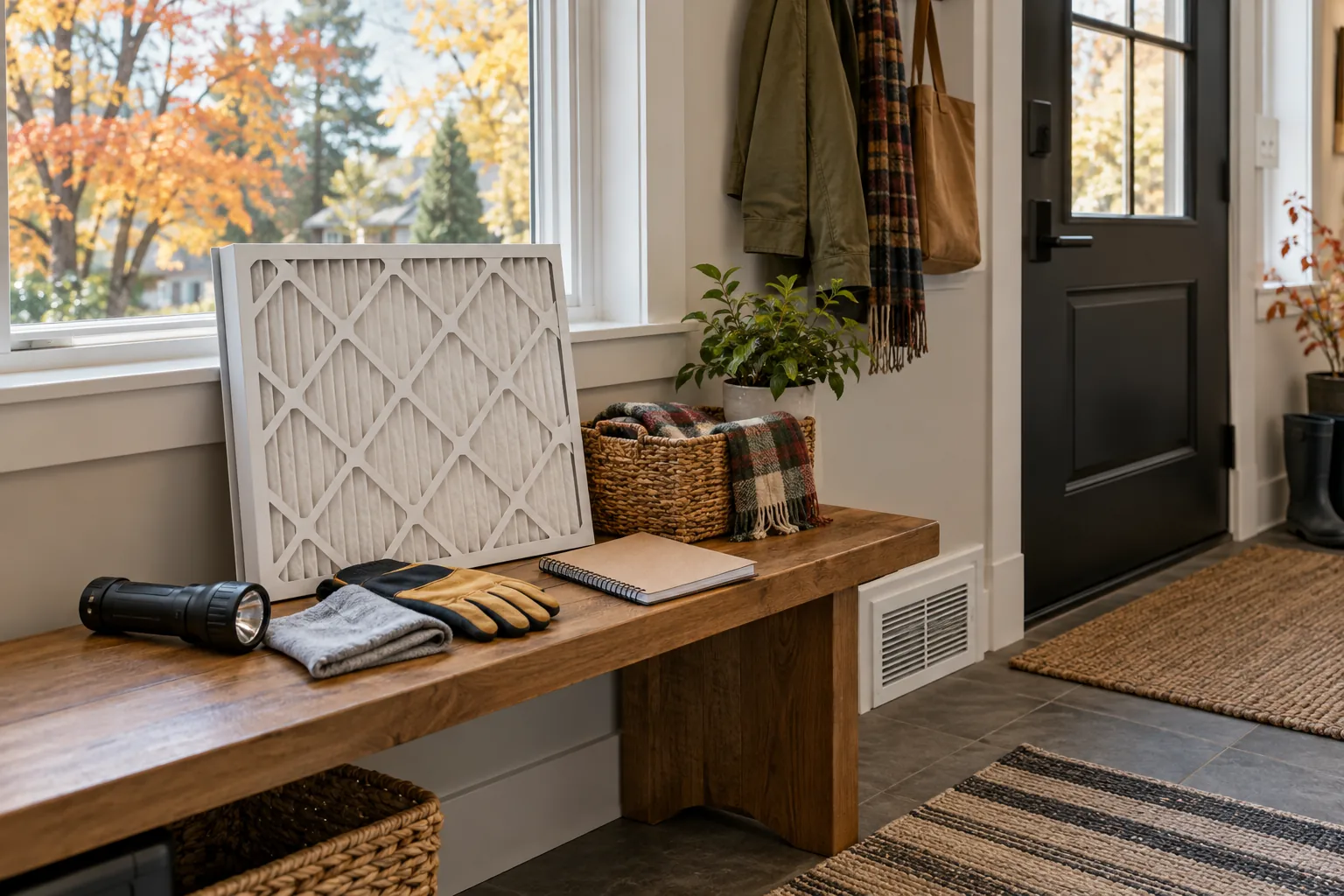
A connected-device example
A replacement smart lock or camera may arrive with owner accounts, shared users, recordings and a service subscription to consider. The owner should retain control of credentials and recovery methods. Agree how the old device is removed from accounts and how its data is handled. The Canadian Centre for Cyber Security offers useful device guidance, but a service visit should not collect passwords or private recordings in a general project form.
Record what remains
A new unit can operate while adjacent paint, trim or another trade’s task remains unfinished. List those items with a responsible person and expected next decision. Also record limitations of retained components, such as an exhaust section that was not accessible or a cabinet finish that could not be matched exactly. This avoids a bare complete label that hides practical work still affecting the room.
Begin the next care cycle
Create a new entry for the replacement with the actual installation date and its own manual. Do not carry the old filter number, consumable or service interval forward by habit. Maintaining can help organize routine care and records; future upgrades remain separate deliberate choices. A useful handover leaves the household able to find the model, explain the work and book the right next service without reconstructing the project from memory.
Make the information easy to retrieve
Put the model, provider and work date in a short index with links to the original documents. Use room and equipment names the household recognizes. A later care provider should be able to find the correct manual and understand the retained-component limitations without needing private account access or a search through unrelated personal receipts.
Make the brief specific
Ask another household member to find the new item’s information during handover. Can they identify the model, locate the manual and understand which care task is next? If the record only works inside the installer’s account, agree a usable owner copy. A connected device may need a different account arrangement from a boiler or door, but the principle is the same: the household should retain access to its product information without sharing credentials unnecessarily. Keep private security details separate from the general maintenance record.
Your conversation checklist
- Retain model and installation details
- Keep applicable work and check records
- Demonstrate normal controls
- Clarify warranty and registration responsibilities
- List unfinished and retained-component limitations
- Start the new item’s care record
Questions worth asking
Who registers the product warranty?
Confirm this directly with the provider and manufacturer. Do not assume that an enquiry, invoice or installation automatically completes registration, and retain any confirmation required by the actual warranty terms.
What if the item works but finishing remains?
Record the remaining work and its owner before calling the overall scope complete. A functional component and a fully reinstated room are different deliverables, so the quotation and handover should make that boundary clear.
Turn the useful details into a clear brief.
Choose the services you need and bring your priorities, existing conditions and location into one HAUSE enquiry.
Start my project brief ↗