
A good replacement begins with the reason for change and the full path from the old item to a usable new one. Clarify diagnosis, fit, connected work and the completion evidence before the product is ordered.
Describe what stopped working
Record the existing model, approximate age, symptoms and any prior repairs. Include photographs of accessible labels and the surrounding opening. A provider can then advise whether further diagnosis is needed before selecting a replacement.
Do not assume that a new item corrects the cause of failure. Water damage, inadequate support, poor drainage, a supply problem or unsuitable capacity can affect the replacement too.
Check the entire fit
Measure the actual opening and the carrying route. Compare manufacturer requirements for connections, ventilation, support and service access. A product sold in the same nominal size can still require different preparation.
If the replacement changes fuel, location, capacity or system type, it may be an upgrade or a first installation rather than a simple renewal. Make the difference explicit so the quotation covers the real work.
Price the whole change
A complete scope identifies disconnection, removal, disposal, preparation, supply, fitting, connections, commissioning and finishing. Ask who owns each step and which concealed conditions remain provisional.
Compare assessment fees, product and labour warranties, required approvals, payment terms and change procedures. A catalogue page does not verify a particular provider’s qualifications or promise local availability.
Keep the handover useful
Retain product documents, the record of checks and the provider’s explanation of operating and care requirements. Take photographs of relevant concealed repairs before they are enclosed where appropriate.
Send routine care to Maintaining. Reserve Upgrading for a deliberate improvement in comfort, access, capacity or daily use. Replacing should renew the existing role clearly rather than quietly expanding the job.
Separate the symptom from the decision
A noisy fan, fogged window, leaking dishwasher or repeatedly sticking door does not automatically call for full replacement. Ask what assessment supports the proposed renewal and whether a serviceable retained part remains an option. The purpose is not to delay every purchase; it is to avoid replacing a visible item while leaving the fault that affected it unexplained and ready to affect the new one.
Make a fit sheet
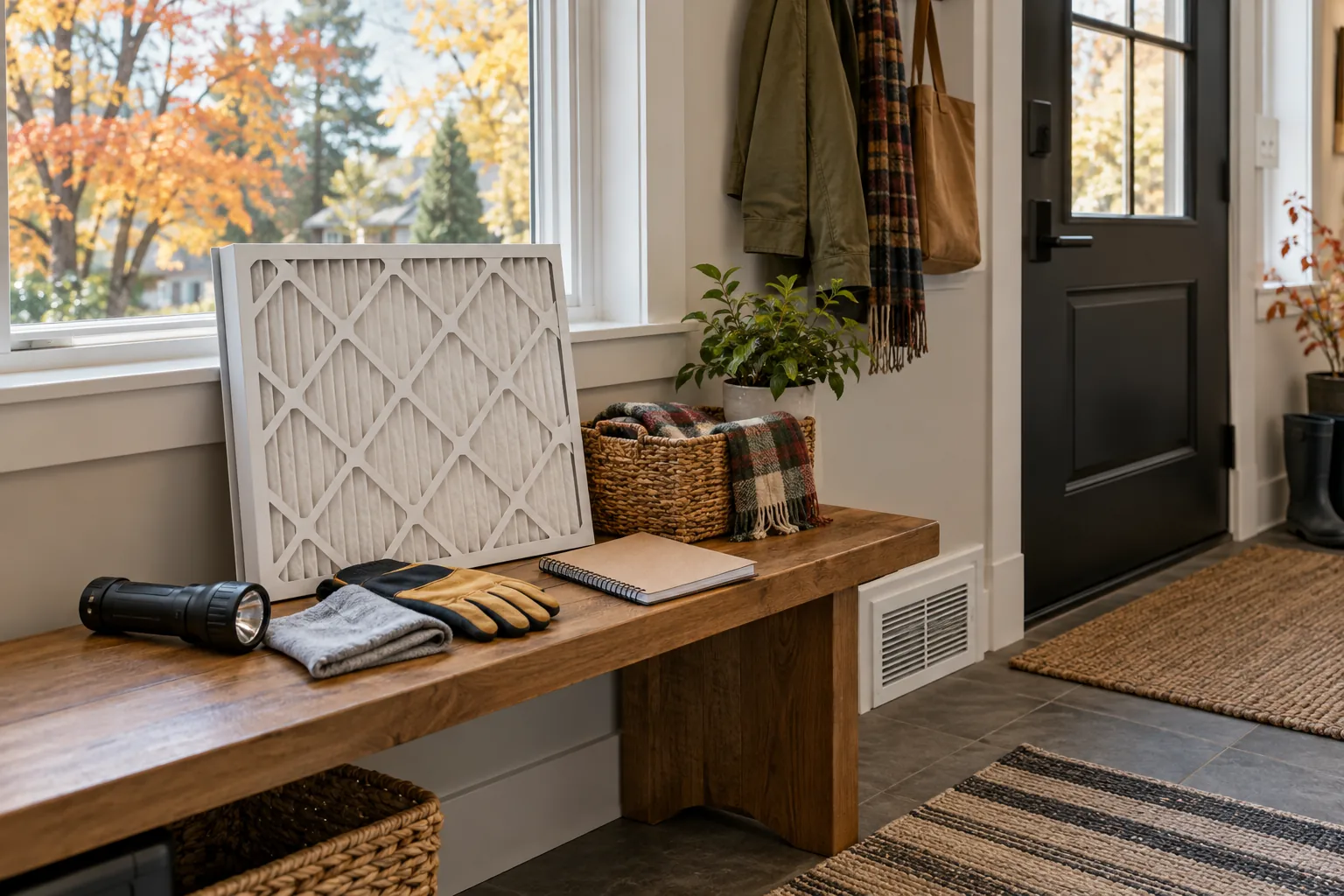
Record the old model, finished opening, support, utility connections, service clearance and delivery route. Compare those details with the new installation manual, not only a store’s nominal size. Include door swing, handles, drawers and adjacent finishes. A refrigerator can enter an alcove but still fail to open fully; a wall oven can fit the width but need different cabinet support or electrical preparation.
Walk through an appliance example
For a dishwasher renewal, the old machine may sit below a floor installed later. The new model may need different mounting or cabinet-panel details, while a past leak may have softened material beneath it. A useful proposal names removal access, connection review, floor protection, preparation and the result of an operating check. The product-only price does not answer these surrounding questions.
Define the concealed-condition process
Ask what the quotation assumes about the opening, backing, wiring, plumbing or substrate. Agree that unexpected conditions are photographed and explained before additional correction is approved. Identify the person who authorizes changes and how cost and timing are communicated. Temporary protection and safe condition between trades also need an owner, especially when a kitchen or bathroom will remain partly unusable.
Specify completion in advance
Choose checks that match the item: door and latch operation, connection review, relevant commissioning, correct controls or a documented wet-area interface. Retain model and installation details, care instructions and any limitation of retained components. A deliberate change in location, capacity or use should be compared as a separate Installing or Upgrading option. Replacing can then deliver a clear same-role renewal with useful subsequent care at Maintaining.
Make the brief specific
Try writing the request as a decision brief rather than a product instruction: “The existing patio door binds and the lower corner is stained. We want its current role renewed, with the support and water detail assessed before ordering. Please explain what is retained and what is included in reinstatement.” This gives the provider a defined outcome and evidence without prescribing the cause. The resulting proposal should connect diagnosis, product fit, preparation and checks. Optional changes in opening size or access can then be compared clearly as separate improvements.
Your conversation checklist
- Record why the old item is being renewed
- Compare exact manuals and dimensions
- Check the full carrying route
- Name disconnection preparation and finishing owners
- Agree a pause for hidden damage
- Define item-specific handover checks
Questions worth asking
Can I order the product before the site visit?
You can gather options, but ordering before fit and connection requirements are confirmed can create avoidable changes. Ask the responsible provider which dimensions and conditions must be verified before committing to the selected model.
What makes two replacement quotes comparable?
They need to address the same product, preparation, connections, removal, finishing and completion checks. A lower quote with major exclusions is a different scope, so ask for those boundaries in writing before comparing totals.
Turn the useful details into a clear brief.
Choose the services you need and bring your priorities, existing conditions and location into one HAUSE enquiry.
Start my project brief ↗