Component renewal needs a clear diagnosis, compatible specification and the right qualified work around it.
Start with the existing condition
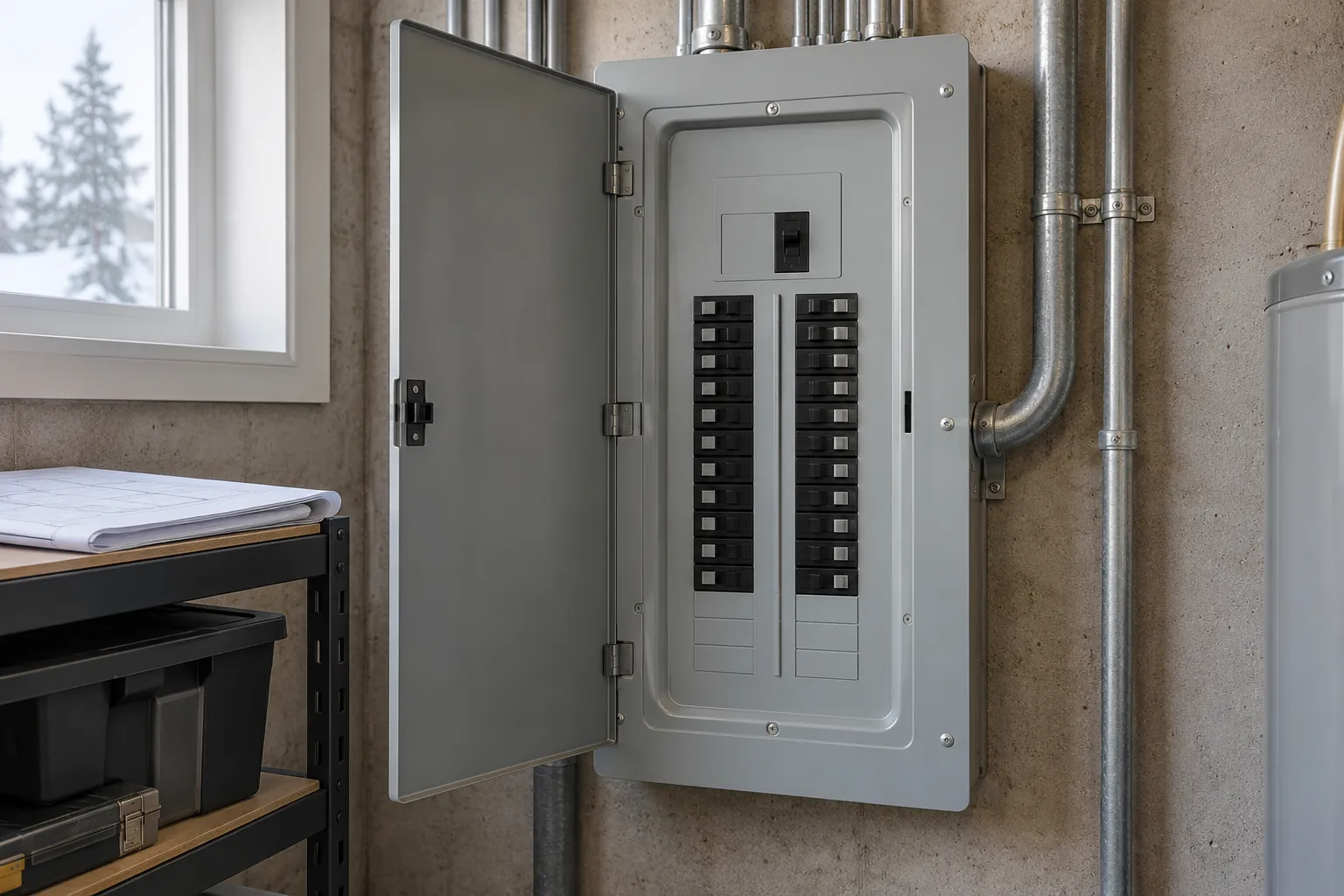
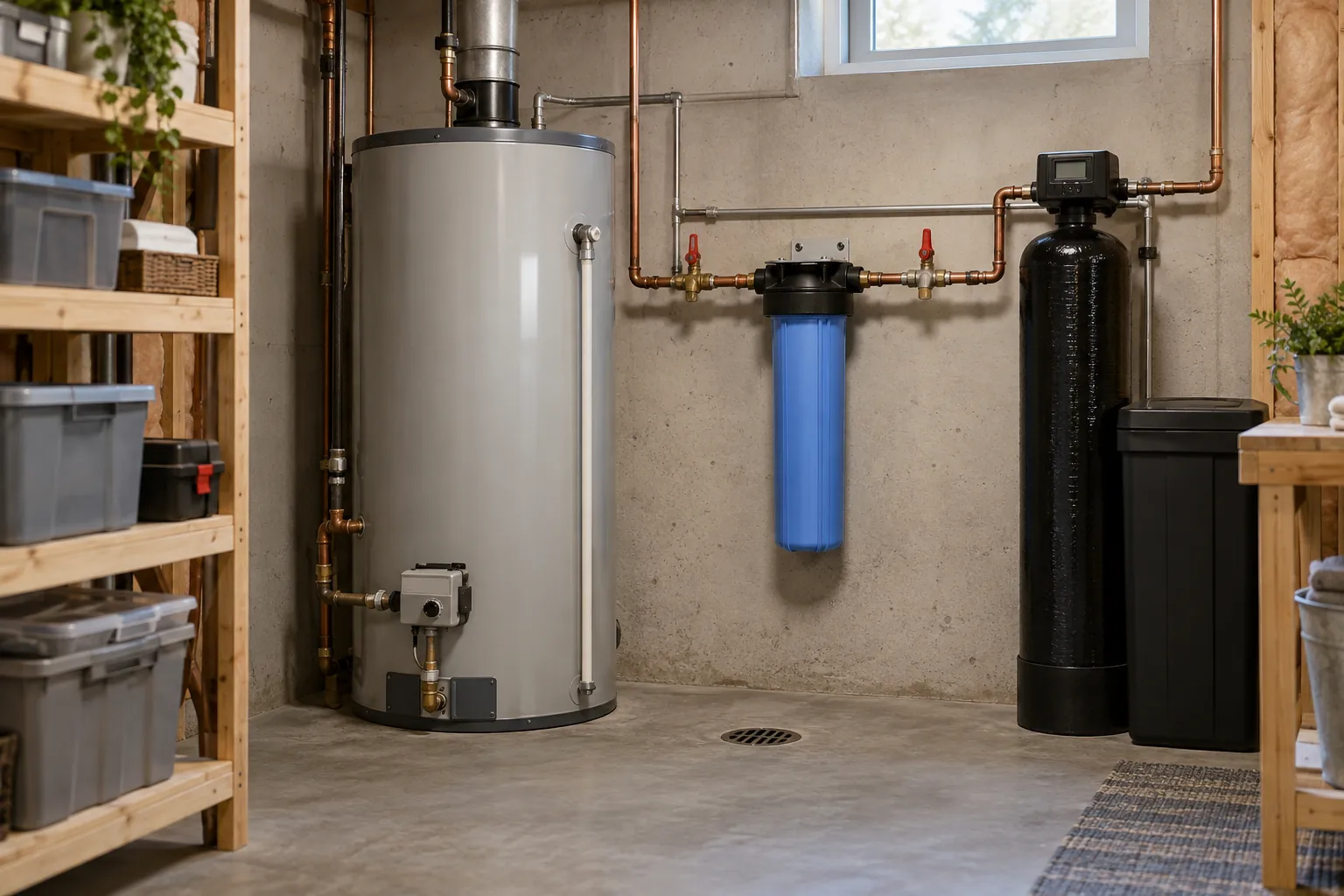
Start with the named failed item and its operating symptoms. A sump pump, main shut-off, supply connector, electrical outlet and smoke alarm perform different roles and need different assessment and testing. Share accessible model information and records without opening energized equipment or forcing unfamiliar controls. Ask the provider what must be isolated and who coordinates that step.
Make the important interfaces clear
A replacement part can be affected by an unresolved system fault. A pump needs a suitable discharge; an overheated outlet needs its circuit and connection assessed; an alarm must suit its power and interconnection arrangement. The quotation should identify the adjacent components reviewed, the tests included and any authority or utility coordination relevant to the actual jurisdiction.
Leave a useful next step
Keep expansion separate from failed-equipment renewal. A panel assessment does not automatically authorize more capacity, and an exterior fitting change does not create a new circuit. At completion, retain device identities, applicable checks, labels and limitations. Explain operation and access to the household and send subsequent routine care to Maintaining. That creates a traceable correction without presenting a small component change as whole-system certification.
Choose the next useful decision
Ask for a plain explanation of the replaced component’s role. The household should know which control or device is new, what was tested and what requires professional attention. Keep the record factual; a successful component check does not certify every connected concealed system.
Details to bring into the conversation
- Diagnose the named failure
- Coordinate isolation and approvals
- Record tests without overstating coverage